News & InsightsIn-Depth
2026年5月7日
Common Packaging Printing Processes and Their Advantages & Disadvantages
Common packaing printing processes
1.Flexographic printing: Flexographic printing is a rotary printing method commonly used for packaging materials such as corrugated cardboard, plastic bags, labels, and films. It is fast, suitable for long-run printing, and can be applied to various substrates.
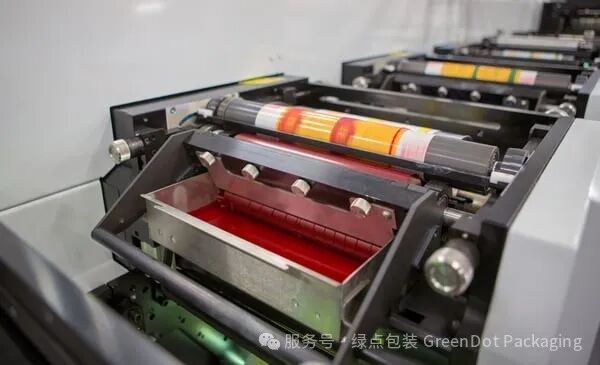
Advantages: For large-scale operation, it is fast and efficient. Suitable for various substrates, including flexible materials. The cost per unit is relatively low.
Disadvantages: Compared with other methods such as offset printing, the printing quality is usually lower, but with the advancement of technology, this gap is becoming less and less apparent. We need to make printing plates or sleeves for printing.
2. Offset printing: Offset printing is commonly used for paper box packaging or books. It can produce high-quality printed products and print in large quantities, making it an ideal choice for packaging with a wide range of printing content and one of the most popular printing methods currently available.
Advantages: Excellent printing quality, very suitable for packaging with complex graphics. Suitable for large-scale mass production.
Disadvantage: The cost of small-scale production is relatively high. More time is needed to prepare before starting production.
3.Gravure printing: gravure printing is a carving printing process used for high-quality packaging such as flexible packaging, labels, and plastic films. It can replicate very detailed images, but it is expensive.
Advantages: High printing quality and detailed reproduction. Suitable for long-term use.
Disadvantages: High cost, especially for small-scale production. The process is complex and requires the production of carved cylinders.
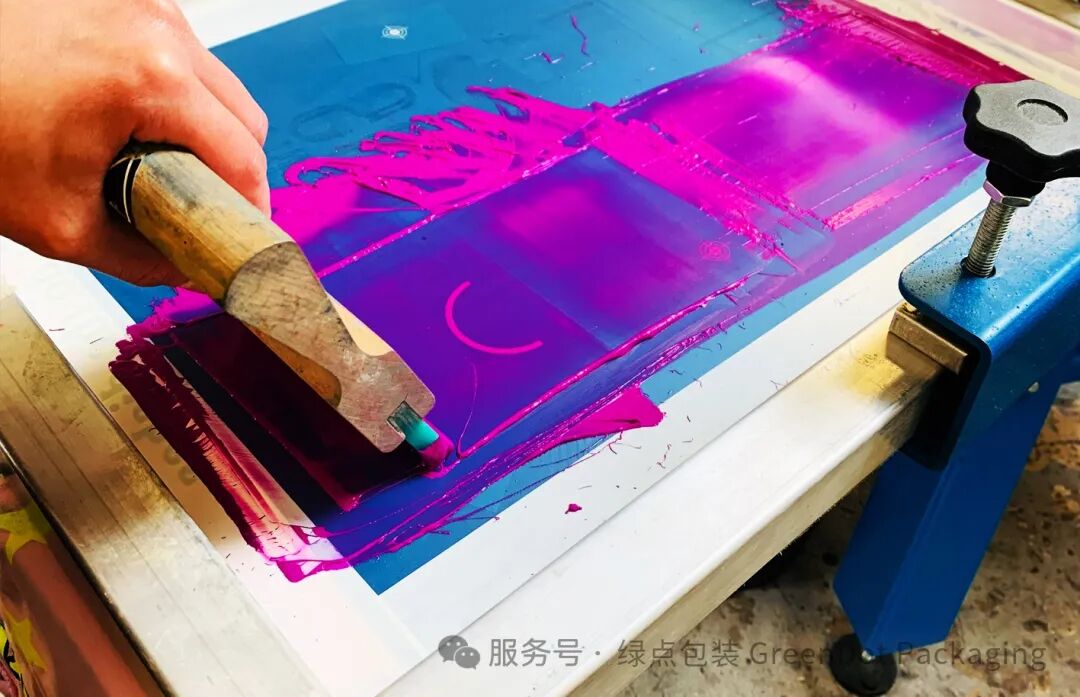
4.Screen printing: Screen printing can be applied to various materials, including paper, cardboard, wood, metal, textiles, etc. Therefore, in addition to industrial printing, screen printing is also widely used in industries such as printing and dyeing, clothing, signage, radio, electronics, ceramics, and packaging.
Advantages: Low plate making cost. The equipment is easy and convenient to operate, with flexible production and low requirements for quantity. The substrate is wide, the ink layer is thick and textured, the printing materials are abundant, and the expressive power is strong.
Disadvantages: Suitable for monochrome printing, with low printing accuracy and high difficulty in color matching. Not suitable for color printing, with relatively low accuracy and delicate layering, not suitable for gradient printing.
5.Digital printing: Digital printing is increasingly used for customized packaging or small batch printing. It has great flexibility in customization, allowing for quick changes to assignments without the need for printing plates.
Advantages: It has great flexibility for small batches and customization. Printing does not require a printing plate.
Disadvantage: Compared to traditional methods with large quantities, the cost is higher. Compared to other methods, printing quality may be limited.
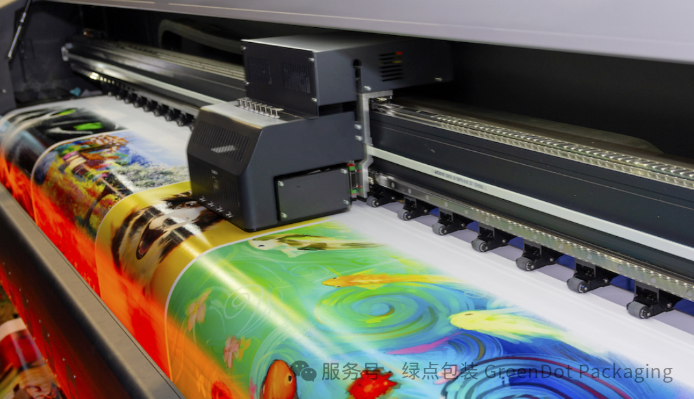
6.Letterpress printing: letterpress printing is an ancient printing method that has been replaced by more modern technologies. However, it is sometimes used to print special patterns or create artistic effects on luxury packaging.
Advantages: Suitable for small-scale operation. The unique effect of raised printing.
Disadvantages: Compared to other modern methods, it is less common and less efficient. The quality and complexity of design are limited.
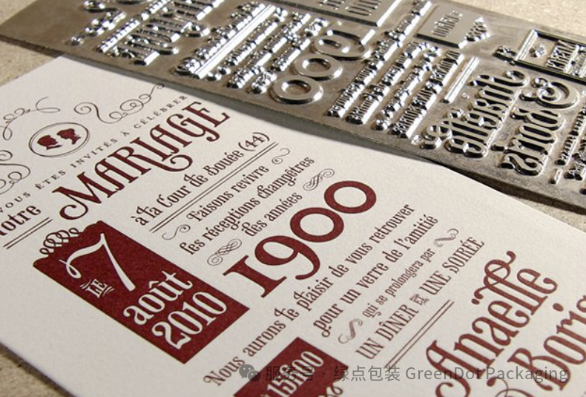
7.Inkjet Printing: Inkjet printing is a supplementary printing technology. It is fast, suitable for customization and small batch packaging, usually used for printing barcodes, expiration dates, and other variable information.
Advantages: Customization and variable data have great flexibility. The cost of small-scale production is relatively low.
Disadvantage: Compared to other methods, printing quality may be limited. For large-scale printing, the printing speed may be lower. The choice of printing method depends on various factors, such as packaging substrate, production quantity, requirements for printing quality, printing budget, and specific design requirements.